

Myopia, or nearsightedness, is one of the most common vision problems today. And it’s only more prevalent in Asia, with studies showing that more than 80% of children and young adults are affected.
Nearsightedness is caused by an irregularity in the shape of the eyeball. The eyeball is supposed to be round, but for myopic people, it is slightly elongated. As a result, you may experience blurry vision when looking at an object from a distance.
People with myopia might have trouble recognizing faces or reading small texts, especially if they are at a considerable distance from the person or item they are looking at. If left unmanaged, high myopia can increase the risk of serious eye diseases like retinal detachment, glaucoma, and cataracts.
The good news? With help from specialists, myopia can be managed through several treatment options. The goal is to not just to correct vision, but also to slow its progression.
Eye care specialists recommend early intervention and regular eye exams as the best way to manage myopia and prevent it from worsening.
Common options offered by eye care specialists include specialized eyeglass lenses, contact lenses such as Orthokeratology (Ortho-K), and medicated eye drops like low-dose atropine to slow progression. Meanwhile, older patients with stable prescriptions can opt to choose refractive surgeries such as LASIK or Implantable Collamer Lens (ICL).

Prescription eyeglasses or contact lenses are one of the common ways to manage myopia. However, this correction method has some limitations, considering that these visual aids are quite easy to misplace or damage. Today, advanced myopia control lenses can help slow down eye elongation in children.
An alternative is undergoing surgery. The available procedures can be quite costly, though, so they might not be the right option for those on a tight budget.
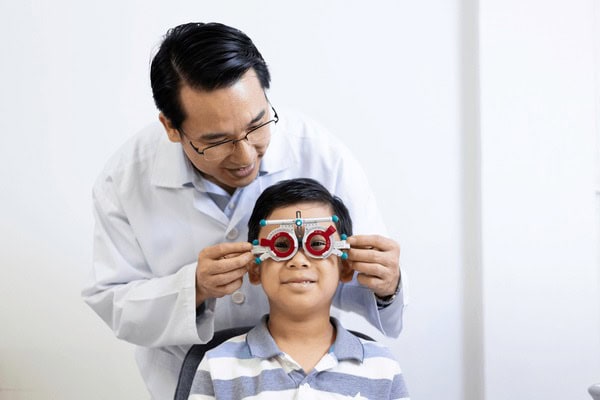
For adults with stable prescriptions, procedures like LASIK and PRK permanently help reshape the cornea for clear vision. Ortho-K has also shown that it can deter myopia progression in kids up to 18 years old, making it a safe and effective alternative to LASIK. In many cases, myopia starts at an early age and can be properly diagnosed through a comprehensive eye exam.
Interestingly, orthokeratology was actually developed to help control myopia in children and delay its progression. It works by gently reshaping the cornea to help the eyes focus properly on objects no matter the distance.
Special contact lenses, called ortho-k contact lenses, are worn at night for about six hours while you are sleeping. In the morning, when you wake up, you can take the lenses off and immediately notice how you can see clearly even without them.
If you are eligible, your eyes will then be thoroughly examined so doctors can get their exact measurements. The topography of your cornea will be determined to help eye care providers create custom-fit orthokeratology lenses.
Ready to take the next step? Talk to a specialist about the best eye care plan for you. Feel free to reach us at (02) 8-898-2020 or book an appointment here.
AEI’s main clinics are located at Phinma Plaza, with satellite clinics in TriNoma, Quezon City and Commercenter Alabang.
One of the biggest benefits of LASIK is how quickly results can be seen. Most patients notice an improvement in their vision just a few hours after the procedure. According to the American Refractive Surgery Council, more than 90% of patients achieve 20/20 vision, while 99% reach 20/40 vision or better. Yes, good enough to drive without glasses!
But the lingering question is, what happens after LASIK surgery? This is where we come in. We’re here to reassure you and tell how you can better care of your eyes during recovery.

Some LASIK patients will report dryness and light sensitivity during their recovery period. In fact, about 95% of patients report dry eyes during the first month after surgery. Others may also report a mild burning sensation. Doctors usually prescribe lubricating eye drops to combat the irritation.
Common temporary side effects may include dry eyes, glare, halos, and night vision disturbances. Your vision may continue to improve and stabilize over the next few weeks. Full recovery may take about three to six months, so regular follow-ups with your ophthalmologist are important to monitor your healing.
LASIK is designed to be long-lasting. Studies show that 94% of patients remain glasses-free five years after surgery. However, natural age-related changes like presbyopia (difficulty reading up close) may still occur in your 40s or 50s. This is a normal part of aging, not a sign that LASIK is wearing off.
In some cases, a small number of patients may need an enhancement procedure, especially if there’s a slight regression in vision. This is usually safe and effective when done by an experienced surgeon.
Nevertheless, more and more Filipinos are leaning towards LASIK because of its high success rate. Adding to its wider appeal is the relatively quick and painless procedure, as it also only requires 10 to 20 minutes to perform.
In a country like the Philippines, where the prevalence of visual impairment at 3.64%, specialists like Asian Eye Institute Head of the Cornea and Refractive Surgery Services Dr. Robert T. Ang considers it a foolproof way to improve overall quality of life. It also helps to have the latest generation Victus Femtosecond Laser and Teneo 2 Excimer Laser, each sourced from German manufacturer Bausch and Lomb.
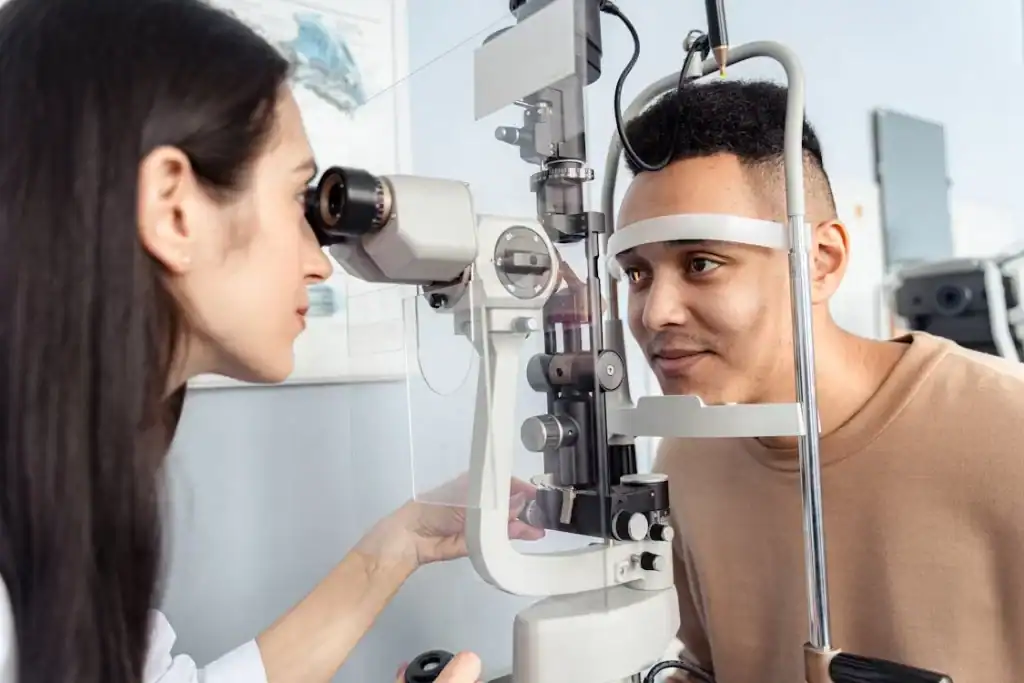
“Having an ultrafast laser speed shortens the treatment time. This means that we lessen the evaporation time and drying of the cornea,” explains Dr. Ang. “This also means that patients don’t have to be anxious during surgery, and there are lesser chances that they will move during the procedure.”
One of the best things about the advanced tracker technology is that it detects and adjusts to all eye movements. “So even if your eye moves up or down, left or right, the laser pulses will be fired in the correct location each time.” Iris Registration, on the other hand, ensures that your treatment will never be applied to another patient’s eyes.”
Ready to take the next step? At Asian Eye Institute, we offer advanced LASIK technology and personalized care to help you achieve your best vision here. Feel free to reach us at (02) 8-898-2020 or book an appointment here.
AEI’s main clinics are located at Phinma Plaza, with a satellite VIsion Center in Power Plant Mall, both of which are in Rockwell Center, Makati. There are also branches in TriNoma, Quezon City and Commercenter Alabang.
If your body feels fine but your eyes feel constantly exhausted, you’re not alone. Understanding why your eyes feel tired but not your body can help you recognize eye strain and know when it’s time to seek care.
If your eyes feel tired, heavy, or sore by the end of the day, you’re not alone. Many people describe eye strain as a constant sense of fatigue—burning, dryness, blurred vision, or the feeling that your eyes want to close, even after a full night’s sleep.
Occasional eye fatigue is common, especially in today’s screen-filled world. But when eye fatigue becomes a daily experience, it may be your eyes’ way of telling you that something needs attention. Understanding what causes eye strain, how it feels, and when to seek professional care can help protect both your comfort and your long-term vision.

Eye strain, also known as asthenopia, occurs when the eyes are overused or required to focus for extended periods without adequate rest.
Unlike eye diseases, eye strain doesn’t usually cause permanent damage on its own, but it can noticeably affect your comfort, productivity, and overall quality of life. That said, some eye conditions, such as early glaucoma symptoms, can be subtle at first and may mimic eye strain, which is why proper evaluation is important.
Eye strain typically develops gradually, making it easy to dismiss as “normal tiredness.” Over time, however, the discomfort may become more frequent, last longer, and grow harder to ignore.
Eye strain rarely has a single cause. It’s usually the result of several habits or conditions working together.
Staring at computers, phones, or tablets for hours reduces how often you blink. This leads to dryness, irritation, and blurred vision. Small text, poor screen contrast, and glare can make your eyes work even harder.
Even mild nearsightedness, farsightedness, astigmatism, or presbyopia can cause eye strain if left uncorrected. Your eyes constantly struggle to focus, leading to fatigue and headaches.
Working in lighting that’s too dim or too bright forces your eyes to adjust continuously. Glare from windows or overhead lights can worsen discomfort, especially during screen use.

Dry eye syndrome is a frequent contributor to eye strain. When tear quality or quantity is reduced, the eyes can feel sore, scratchy, or tired, often worsening in the afternoon or evening.
Reading, writing, sewing, or detailed tasks require sustained focus. Without breaks, the eye muscles become fatigued, much as overworked muscles elsewhere in the body do.
Screens that are too close, too far, or positioned at the wrong height can strain both your eyes and neck, contributing to overall discomfort.
Eye strain can feel different from person to person, but common symptoms include:
These symptoms often worsen as the day goes on and improve with rest—one of the key clues that eye strain may be the cause.
Small changes can make a noticeable difference in how your eyes feel.

While eye strain typically develops gradually, symptoms such as sudden loss of vision, severe eye pain, or a sudden increase in blurriness are not normal and require immediate medical attention.
Eye strain is often easy to manage, but if your symptoms keep coming back or seem to be getting worse, it’s worth paying attention. When tired eyes start affecting your day, causing headaches, or don’t feel better after rest, an eye checkup can help uncover what’s going on.
An eye doctor can check for refractive errors, dry eye disease, binocular vision problems, or other underlying conditions that may be contributing to your symptoms. Early evaluation helps ensure that eye strain isn’t masking a more serious issue.
Depending on your needs, treatment may include updated prescriptions, dry eye management, or, when appropriate, advanced options such as laser eye surgery to improve visual clarity and reduce eye strain.
Your eyes work hard for you every day, and constant fatigue isn’t something you have to accept as normal. With proper eye care, healthy visual habits, and regular eye examinations, many people can reduce eye strain and enjoy clearer, more comfortable vision.
When your eyes feel tired all the time, it’s often a signal—not something to brush aside. Paying attention early can help improve how your eyes feel now and protect your vision in the years ahead.
If eye fatigue is affecting your daily life, set a clinic appointment at Asian Eye Institute. Our eye specialists offer personalized care, advanced diagnostic technology, and guidance tailored to your long-term eye health.
Get in touch with us today!